19.10.2026
The Loewe phenomenon
In a world where luxury brands are constantly competing for the audience’s attention, Loewe has managed to develop a language of its own. Sculptural silhouettes, unconventional shapes, an intellectual approach to design, and subtle irony have transformed the Spanish fashion house into one of the most recognizable names in the contemporary fashion industry.
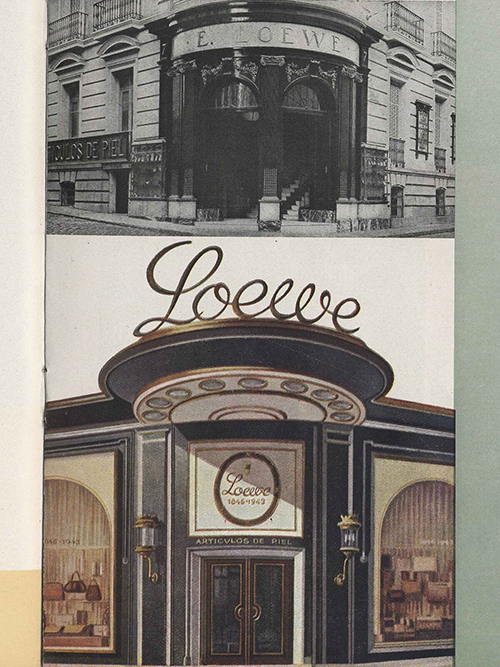
The history of Loewe began in Madrid in 1846 with a small workshop specializing in leather goods. Later, German entrepreneur Enrique Loewe Roessberg joined the business, lending his surname to what would eventually become the fashion house. Over the decades, the brand refined its leather craftsmanship, transforming a traditional craft into a symbol of exceptional quality. However, the true turning point in Loewe’s modern history came in 2013, when Jonathan Anderson was appointed creative director.
The arrival of the British designer marked the beginning of a major reinvention of the brand. Anderson managed to preserve Loewe’s historical heritage while introducing an entirely new perspective. Through experiments with proportions, textures, and shapes, clothing was transformed into true works of art, accessories took on sculptural forms, and everyday pieces became subjects of artistic exploration. One of the defining symbols of this era was the Puzzle bag, introduced in 2015. Its geometric construction and unconventional assembly of leather panels turned the design into a true icon of the brand.
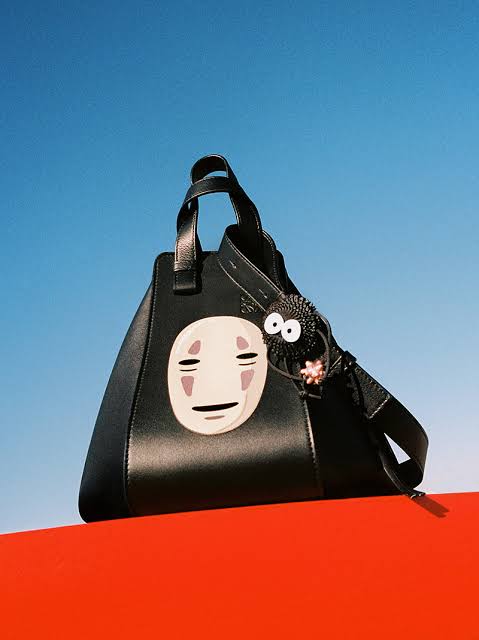
Loewe blurs the boundaries between fashion, design, and contemporary art. The brand regularly collaborates with artists and creatives from various disciplines, transforming its collections and fashion shows into cultural events in their own right. Among its most notable projects are collaborations with the Japanese animation studio Studio Ghibli. In addition, in 2016, the brand established the LOEWE FOUNDATION Craft Prize, an international award supporting artisans and artists working with traditional craft techniques.
This approach has shaped a new perception of luxury, in which the value of an item is defined not only by its status but also by the originality of its concept, the quality of its craftsmanship, and its cultural context.
In 2025, after Jonathan Anderson’s eleven-year tenure, the creative direction of Loewe passed to Jack McCollough and Lazaro Hernandez, the founders of the American brand Proenza Schouler. Their appointment marked the beginning of a new chapter in the fashion house’s history. Preserving Loewe’s signature passion for experimentation and craftsmanship, the designers offer their own interpretation of modern elegance, where artistic expression meets functionality.
In 2026, Loewe celebrates its 180th anniversary, continuing to reinterpret its heritage and explore new forms of self-expression. The brand’s uniqueness lies in its ability to combine nearly two centuries of history with a contemporary artistic language. It is precisely this balance between tradition and creative freedom that has allowed Loewe to become not just a fashion house, but one of the most fascinating cultural phenomena in the contemporary fashion industry.