Fujifilm Instax Mini Evo Cinema Is bringing the 1965 Single-8 Design into the Digital Age
Fujifilm Instax Mini Evo Cinema draws inspiration from 1960s 8mm cameras while offering a clever way to print and share video content.
Summay
- Fujifilm’s latest hybrid release merges instant photography with video capabilities by using QR codes to bridge the physical and digital formats.
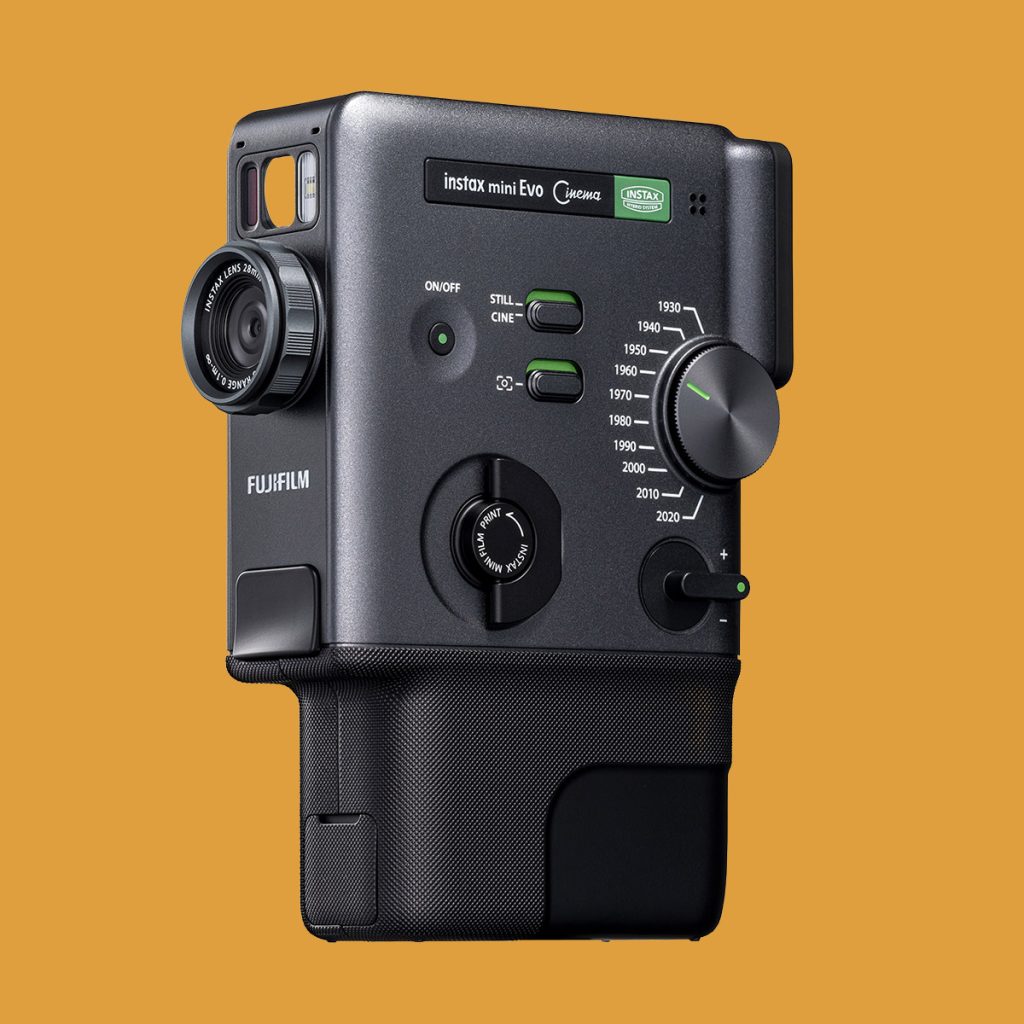
- The camera’s design references the 1965 FUJICA Single-8, featuring a vertical grip and analog-style controls for a tactile shooting feel.
- A new “Eras Dial” offers 100 potential visual combinations, including a “1960” setting that mimics the aesthetic of 8mm film.
Nostalgia moves fast in the tech world. Just as we settled into the revival of standard instant prints, Fujifilm is pushing the timeline back even further. The brand’s latest release, the instax mini Evo Cinema, arrives as a hybrid device that blurs the lines between a standard snapper, a video recorder, and a smartphone printer. It suggests that the most modern way to share a video might actually be on paper.
It is the silhouette of the device that grabs you first. The camera sports a vertical grip, a direct nod to the FUJICA Single-8, an 8mm model the company originally introduced back in 1965. This is not merely a cosmetic choice; the analog operation and crafted build aim to make the act of shooting feel substantial. It invites a tactile approach to photography that touchscreens often lack.
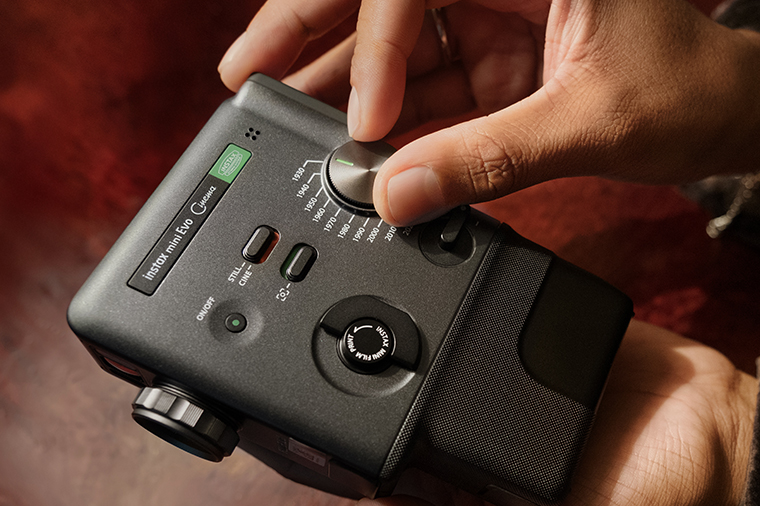
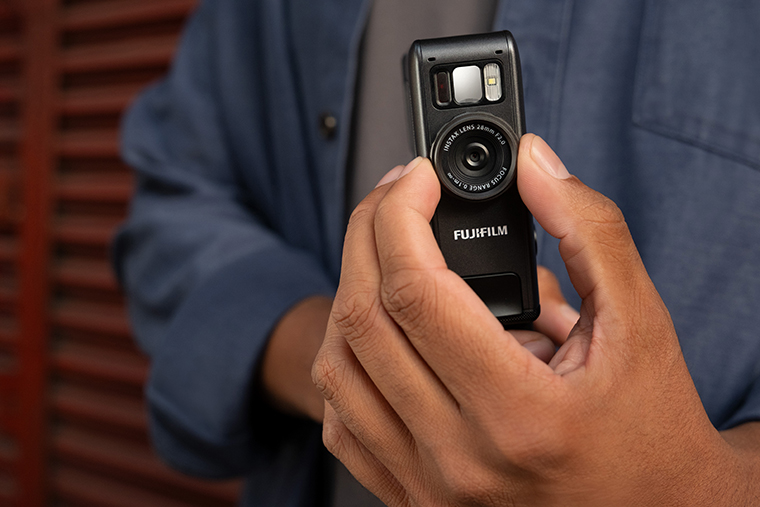
The internals back up the vintage exterior. A feature called the “Eras Dial” lets users cycle through effects inspired by different time periods. There are 10 specific effects—including a “1960” setting that mimics the distinct look of 8mm film cameras—and each has 10 adjustable levels. That math works out to 100 possible expressions, allowing for a highly personal touch on both moving images and stills. It creates a sense of time travel, letting the user define the atmosphere of the shot before the shutter even clicks.
The “Cinema” moniker is functional, not just aspirational. The device records video, but the delivery system is the real draw. It converts that data into a QR code and prints it alongside a still image cut directly from the clip. You hand over the physical print, and the recipient scans the code to watch the footage. It effectively allows you to hand someone a video, preserving a memory in a tangible form that can be revisited later.
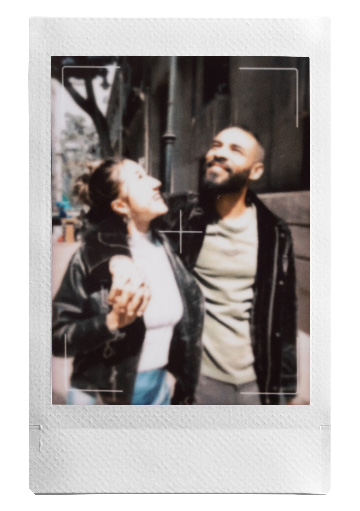

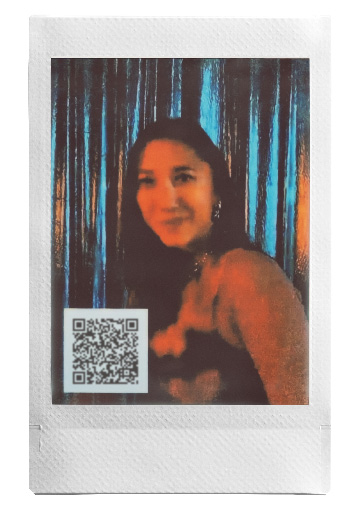
For those who keep their archives on their phones, the camera bridges that gap too. It is a 3-in-1 tool, managing to be a video camera, a still shooter, and a printer all at once. A dedicated app helps edit clips by combining footage or adding cinematic opening and ending templates to make them feel special. It also features a “Direct Print Function” for images already sitting in your smartphone camera roll. Users can view shots on the back LCD monitor to select their favorites, ensuring that every sheet of film counts.