Limited to numbered editions, the upcoming Braque system offers audiophiles a mix of Celestion drivers and hand-welded industrial aesthetics.
Summary
- Swedish audio brand Nocs translates the geometric reduction of Cubist painter Georges Braque into a high-fidelity stereo system defined by raw materials.
- The design stacks a twenty-five-kilogram handmade steel base produced in Sweden beneath an Estonian plywood cabinet to reach an optimal listening height.
- Arriving in January twenty-twenty-six for six thousand dollars, the limited-edition speakers use Celestion drivers to focus on transparent and neutral sound reproduction.
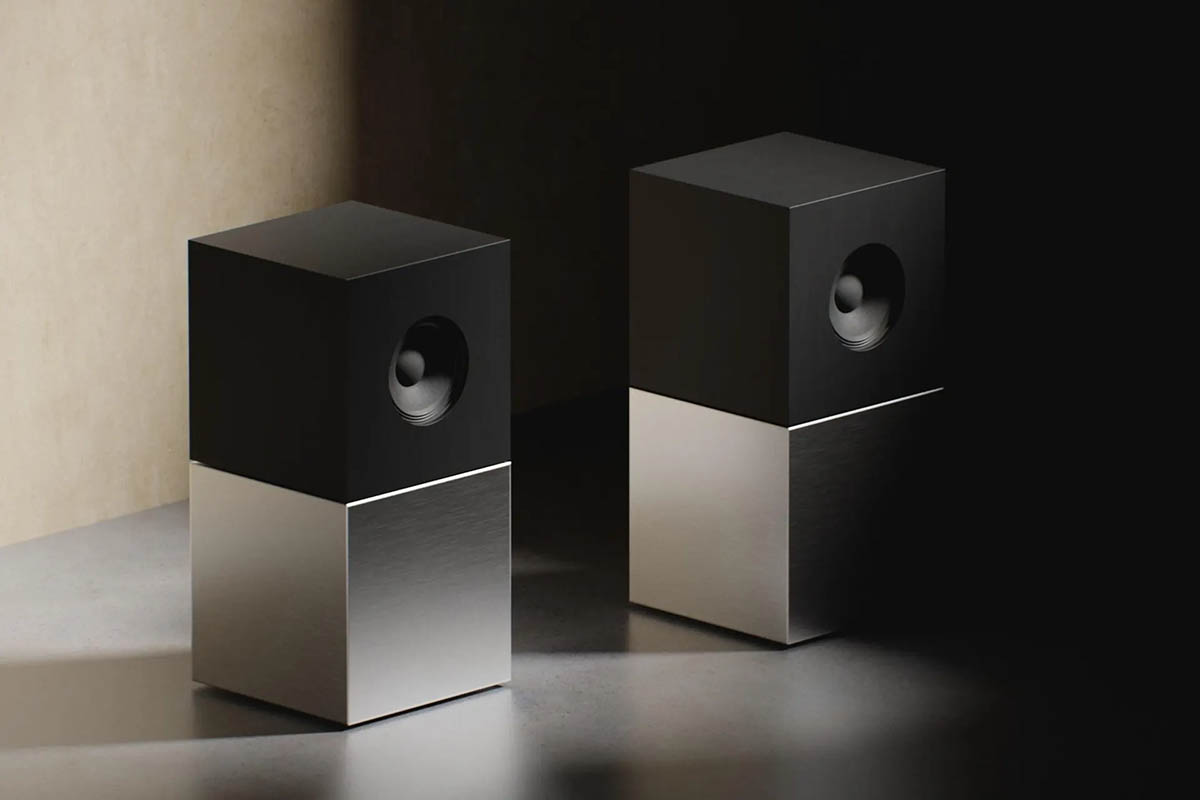
Most home audio equipment tries to disappear. We hide soundbars under televisions and tuck subwoofers behind potted plants, treating the hardware like a utility rather than a feature. Nocs takes the opposite approach with its latest release. The Swedish audio house has looked to the early twentieth century for the Braque, a new active stereo system that demands floor space and attention.
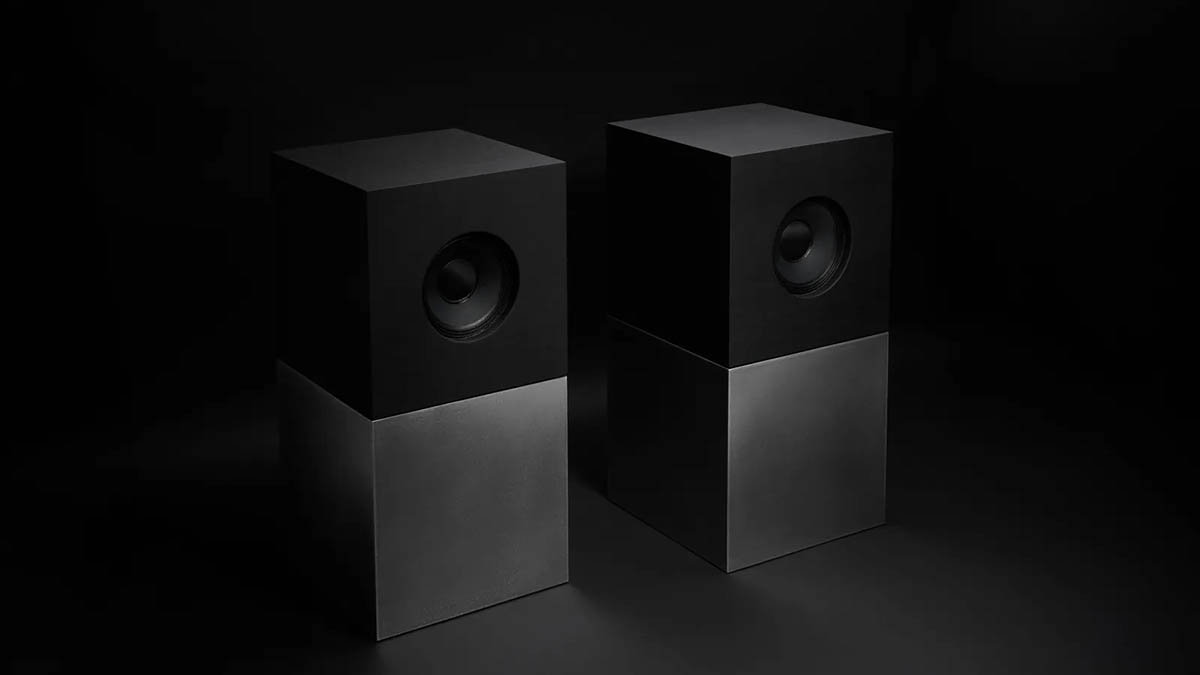
Named after Georges Braque, the French painter who helped define Cubism alongside Picasso, the system relies on the movement’s principles of geometry and material duality. It is not a subtle addition to a room. The architecture involves two distinct blocks working as one visual unit. The foundation is a substantial steel cube that weighs in at twenty-five kilograms. Cut, welded, and brushed by hand in Sweden, the metal carries a soft matte finish that gives each unit a specific industrial character.
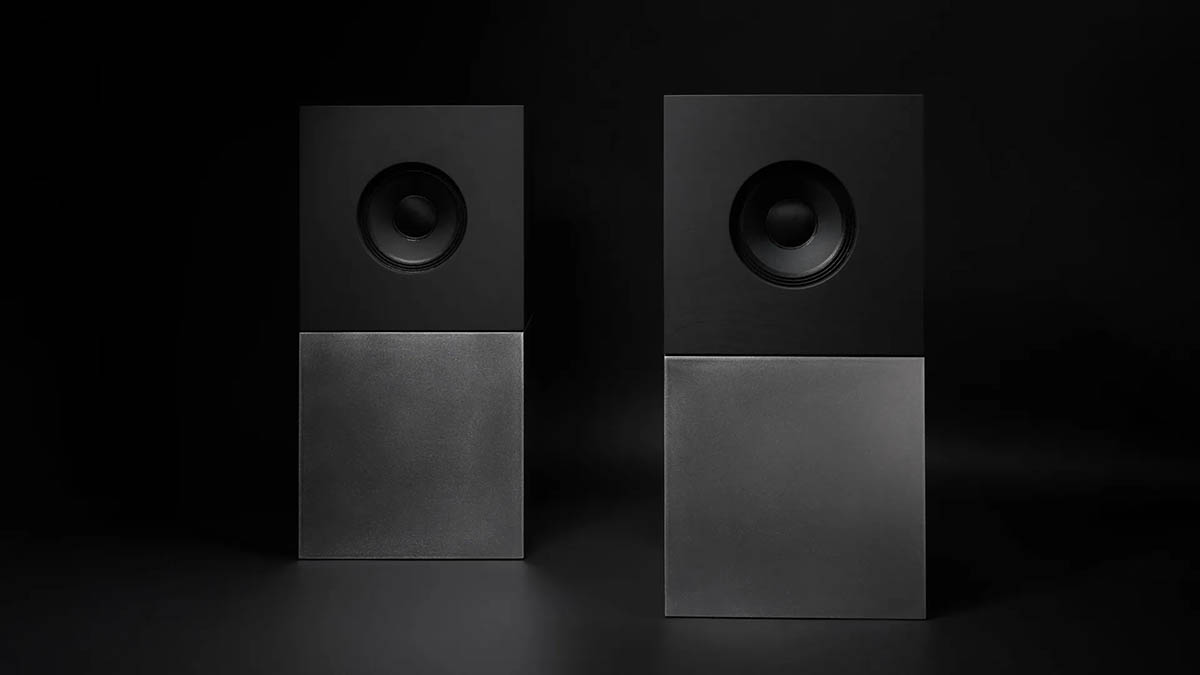
Resting on this heavy metal plinth is a plywood speaker cube manufactured in Estonia. The resulting tower stands seventy-five centimeters tall. This is a functional measurement as much as an aesthetic one, as it places the sound source at the standard ear level for a seated listener.
While the exterior prioritizes form, the internals focus on what the company describes as an “honest” output. The system uses dual Celestion 8-inch coaxial drivers powered by twin Hypex FA122 amplifiers. The goal is transparency rather than artificial boosting.
“By working with a larger enclosure and a coaxial driver, we were able to shape a sound that’s natural, open, and honest,” says Alm, referencing the brand’s founder. “It reveals what’s in the recording without adding anything of its own, which is the core of our Studio Sound approach.”
Nocs developed the tuning at their lab in Lund, Sweden, consulting with working musicians and engineers to ensure the playback respects the original recording. The connectivity options admit that modern listeners rarely stick to one format.The back panel includes inputs for RCA, Balanced XLR, and Optical TOSLINK alongside a coaxial digital line.
The release strategy mirrors the art world inspiration. Nocs will produce the Braque in numbered editions rather than a mass-market flood. For those who find the raw industrial look too stark, the studio offers custom Pantone color schemes upon request. When the system arrives in January 2026, it will carry a price tag of $6,000.