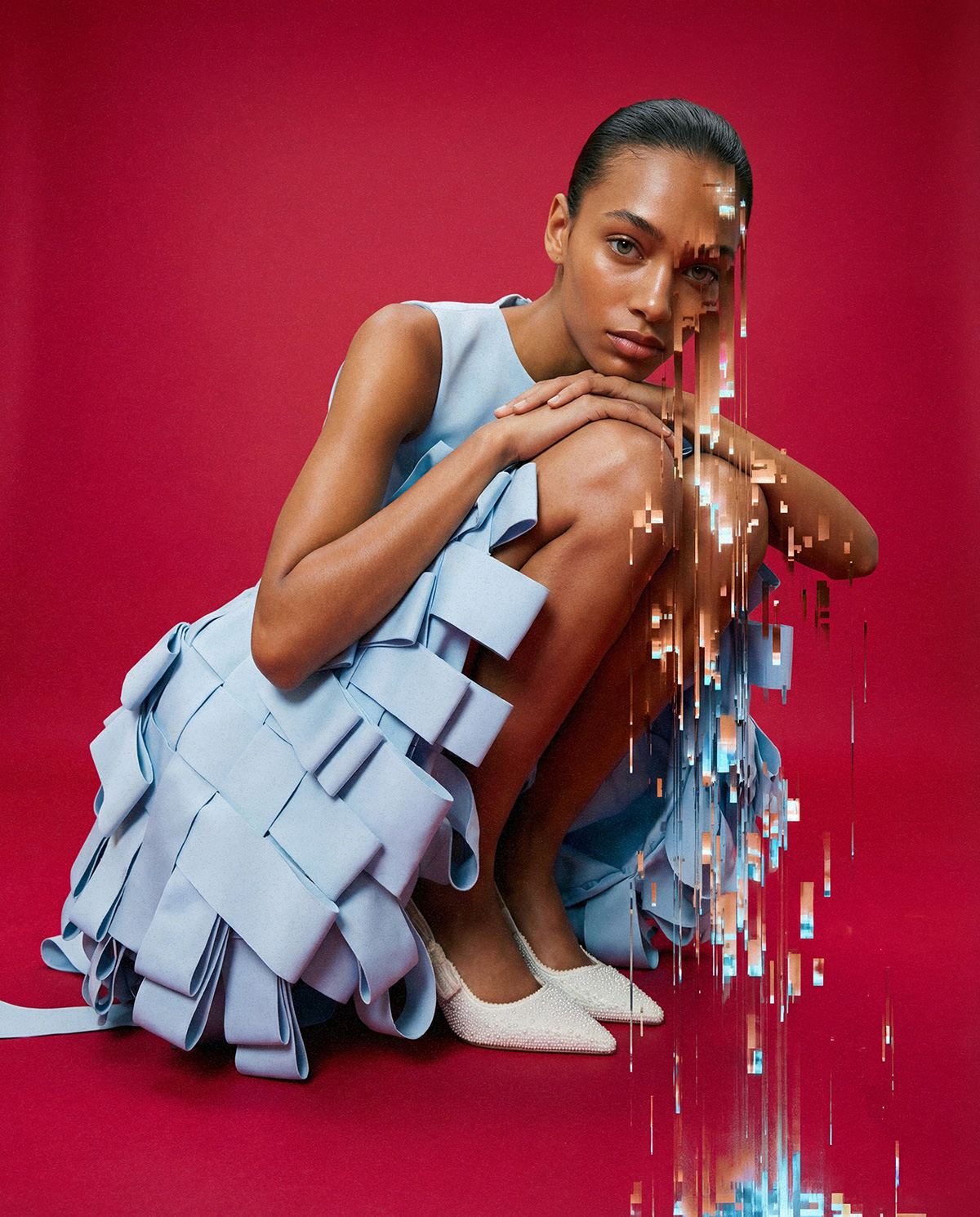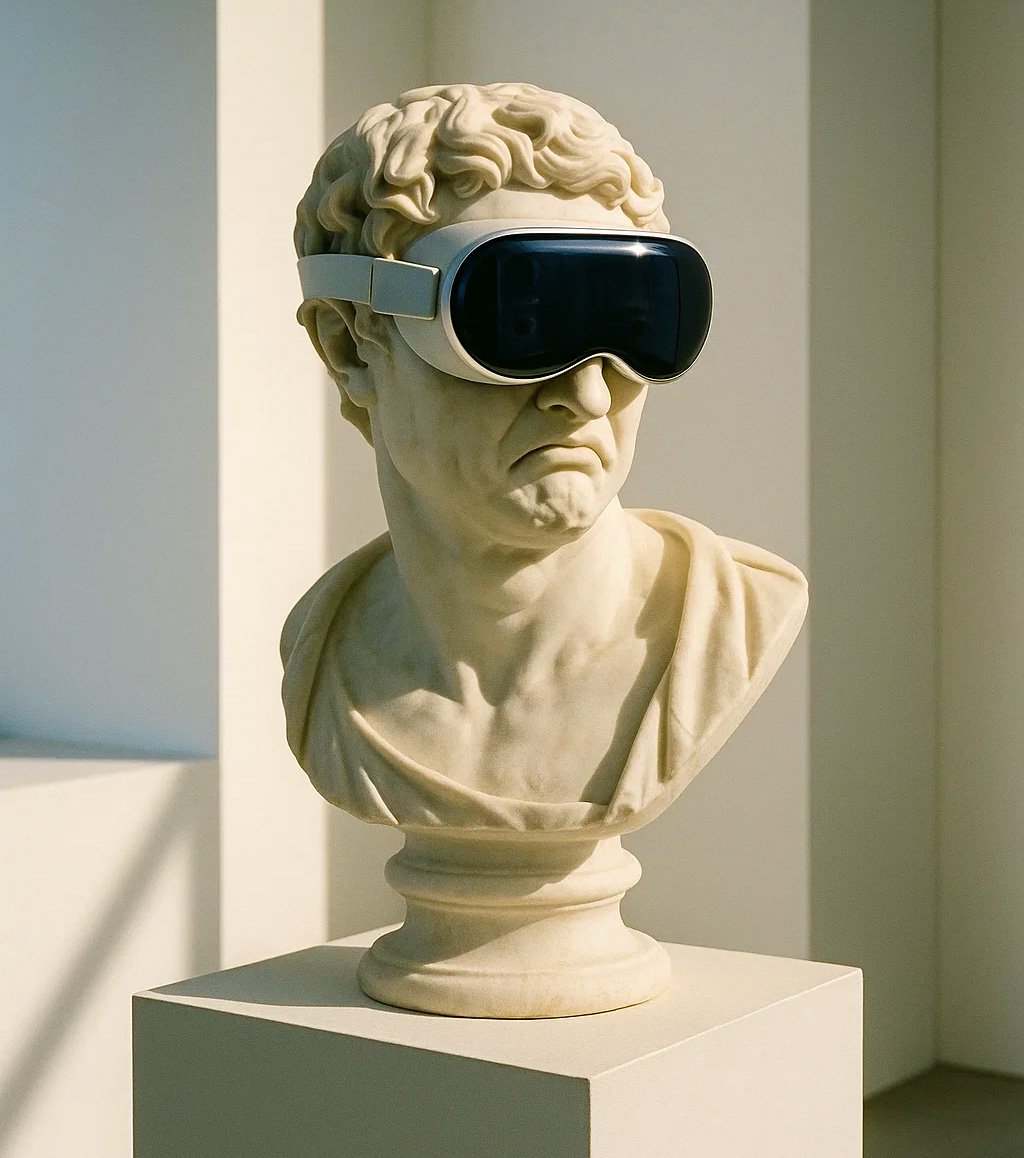
The panic over the end of human creativity has settled into a quiet acceptance. The industry spent two years worrying about job security, but the current reality in design studios and post-production houses is far more pragmatic. Smart directors and editors are not using these tools to replace their vision. They are using them to handle the technical labor that usually consumes the budget. It is about employing a system to fix the lighting, smooth the motion, and clean up the artifacts so the actual work can begin.
MIDJOURNEY
That work usually starts with a visual reference, and this platform remains the undisputed leader for mood boards. It acts as a high-speed concept artist that understands texture and composition better than its competitors. While other generators often produce glossy or plastic-looking results, Midjourney nails the grain and the attitude needed for a professional pitch deck.
- Style Reference (Sref): You can upload a specific image (perhaps a 1990s Juergen Teller ad) and the bot mimics that exact film grain and flash lighting for your new output.
- Character Reference (Cref): This tag locks onto a subject’s facial features to maintain their identity across different scenes, finally solving the problem of characters morphing into strangers.
- Vary Region: This in-painting tool allows you to select a specific flaw, like a weird hand or a misplaced prop, and regenerate only that area without losing the rest of the image.
- Panning and Zooming: Users can expand the canvas infinitely to add environmental context to a tight portrait or reveal the shoes in a cropped look.
- V6 Text Rendering: The latest model handles typography without turning letters into alien glyphs, allowing for mockups that include legible branding.
Those illustrations might drip with hyper-real style, but they often lack the granular control needed when you shift from concepting to final color grading.
FYLM
That missing granularity is exactly where this browser-based grading suite steps in to fix the levels. It strips away the intimidating knobs of DaVinci Resolve and replaces them with a system that understands the difference between Kodak Portra and a digital mess. It creates a “film look” based on math rather than just slapping on a cheap filter overlay.
- NeuralTone AI: This tool helps balance exposure and contrast automatically by mimicking the way human eyes perceive dynamic range rather than just crunching numbers.
- Magic Mode: A guided workflow asks you simple questions about your desired look, such as “cooler shadows” or “punchier highlights,” and builds a professional grade in the background.
- ACES Pipeline: It matches color space across different cameras so the footage from an Arri Alexa blends perfectly with the B-roll from a GoPro.
- Cloud Collaboration: Comments and revisions happen in real-time on the frame, allowing teams to sync up on a look without sending massive files back and forth.
- LUT Export: Once you nail the grade, you can export it as a 3D LUT to use in any other software from Premiere Pro to Photoshop.
Once you have the color science locked down, the next logical step is to set those static, perfectly graded pixels into motion.
KLING
Generative video has mostly been a novelty act, but this platform is turning it into a viable production tool. Unlike its predecessors that produced jittery, nightmare-fuel animations, Kling understands physics, weight, and how a fabric should actually drape on a body. It creates clips that feel grounded in reality.
- Motion Brush: Users can paint over specific areas of a static image to direct exactly where the movement should happen, like the wind blowing through a specific lock of hair.
- Lip Sync: The latest update allows you to match audio files to a character’s mouth movements with surprising accuracy, reducing the need for complex dubbing.
- Start and End Frames: You can upload two different images and the AI will generate the morphing video that bridges them, giving you control over the transition.
- Camera Controls: It offers granular settings for pan, tilt, and zoom so you can act as the cinematographer rather than leaving the framing to chance.
- Professional Mode: This setting unlocks 1080p generation and longer durations, removing the compression artifacts that usually plague AI video.
Controlling the wind is impressive, but sometimes you need to direct the entire camera rig from your phone while waiting for a matcha.
HIGGSFIELD
That pocket-sized director role is filled by Higgsfield, a mobile-first video platform built for the vertical screen era. It creates a space where the specific camera moves we associate with cinema, such as dolly zooms and tracking shots, are accessible without a film crew. It puts a VFX studio in your pocket.
- Cinema Studio: A dedicated mode that lets you apply specific camera terminologies to your generation so a “dolly in” looks like a dolly in.
- Diffuse Interface: It connects directly with a mobile interface to allow for rapid prototyping of video ideas on the fly.
- Soul: The system fights hard to keep your protagonist looking like the same person from shot to shot, a notorious hurdle in generative video.
- Remix Templates: A library of curated effects allows creators to take an existing video style or viral format and swap in their own subjects instantly.
- In-Painting: You can erase unwanted objects or change specific details in a video frame directly on your phone screen.
Keeping a character consistent is one thing, but keeping an entire production workflow from collapsing under its own weight requires a different kind of architecture.
GOOGLE FLOW
This architectural support comes from Google’s dedicated creative workspace, which trades the slot-machine mechanics of standard prompters for rigorous structural control. It integrates the search giant’s massive “Veo” video models into a timeline where you can actually build a scene rather than just rolling the dice on random clips.
- Scene Builder: Unlike the “one-shot” nature of other apps, this tool allows you to construct a narrative arc with multiple cuts and continuity on a timeline.
- Ingredients to Video: You can feed it a mix of assets, including a script, a sketch, a vibe, or a logo, and it blends them into a cohesive clip that respects all inputs.
- Veo Integration: It runs on Google’s most advanced video model (Veo) capable of understanding cinematic terminology and complex lighting cues at 1080p+.
- Video Extension: Users can generate clips and then extend them forward in time, allowing for longer takes that don’t cut off abruptly at the four-second mark.
- Insert Object: You can take an existing video and use generative AI to add new elements, like placing a specific soda can on a table, that track perfectly with the camera movement.
Constructing that narrative arc often requires a writer who can juggle a dozen plot points without getting a headache.
NANO BANANO PRO
The headache of structuring a messy story is soothed by this bizarrely named but incredibly powerful reasoning engine. While the industry giggles at the branding, insiders use it as a strategic partner that can “read” detailed project specifications and “see” video files to ensure continuity. It pushes past basic copy generation to act as the brain of the operation.
- Canvas Interface: A new workspace treats your copy as a collaborative project where you can highlight sections for specific edits without rewriting the whole doc.
- Brand Voice Mirroring: Instead of sounding like a robot, you can feed it your brand’s style guide or previous articles and it will rewrite new copy to match that specific tone.
- Massive Context Window: You can dump hours of video footage or hundreds of pages of PDFs into the chat and it will remember every detail for research and analysis.
- Multimodal Reasoning: It can watch a video clip and describe the lighting setup, or look at a mood board and suggest the right adjectives for your prompt.
- Workspace Integration: It pulls directly from your cloud documents, meaning it can draft a shot list based on a script you stored online last week.
Even with the smartest scripts and the best scene building, the raw output from these generators often hits the screen looking a little soft.
TOPAZ
Those soft pixels get a hard reset with Topaz, the industry standard for restoration and upscaling. It is the final polish that takes a blurry, low-res from an AI generator and sharpens it into something that looks like it was shot on 4K film.
- Gigapixel AI: It upscales images by up to 600% while inventing realistic details to fill in the gaps rather than just making the pixels bigger.
- Face Recovery: The software detects low-quality faces in a wide shot and reconstructs distinct features like eyes and teeth that often get garbled by other AI tools.
- Video AI Stabilization: It smooths out the weird, jittery artifacts common in AI video to make the motion feel intentional and grounded.
- Frame Interpolation: It can take a choppy 24fps video and smooth it out to 60fps by generating new frames between the existing ones.
- Motion Deblur: This feature analyzes the direction of movement in a blurry clip and reverses the smear to snap the subject back into focus.